







AI process automation and business intelligence

Find the leaks in your business. Plug them with technology.

We go through the pillars your business runs on and find where time and money leak out. Then we plug each leak with AI, automation or business intelligence, built on your own data.

Distribution center loading docks and box trucks at dusk

How discovery works

1

Assess

We walk each pillar with your team and pull the data behind it: your systems, your spreadsheets and the work people still do by hand.

2

Find the leak

We follow the numbers to the spot where time, money or customers slip out, then keep digging until we reach the root cause.

3

Plug it

We build the fix with AI, automation, business intelligence or a mix, and check it against the data we started with.

Your data

The 7 pillars of your business

Nearly every business runs on the same pillars, and each one feeds the next. Customer service leads right back to marketing, so a leak in one pillar drains the whole loop. Pick a pillar to see what we assess, the leaks we look for and how we plug them.

Select a pillar

Marketing lead reviewing campaign results on a laptop next to printed ad proofs
Pillar 1 of 7Feeds into Sales

Marketing

Where new customers come from, and what it costs to get them.

What we assess

Every channel you spend on, what each one costs per lead, and how quickly a new lead hears back.

Leaks we look for

  • Ad spend on channels nobody can tie to a sale
  • Leads that sit for days before anyone calls

How we plug them

AIScores and qualifies leads as they come in.
AutomationRoutes every lead to the right person in seconds.
Business intelligenceTies spend to revenue, channel by channel.
Salesperson on a call marking up a quote at his desk
Pillar 2 of 7Feeds into Inventory Management

Sales

How a lead turns into a signed customer.

What we assess

Your pipeline stages, follow-up timing, quote turnaround and close rates by rep.

Leaks we look for

  • Follow-ups that never happen
  • Quotes that take days to go out
  • Deals that stall without anyone noticing

How we plug them

AISummarizes calls and drafts the next step.
AutomationSends follow-ups and quotes on time, every time.
Business intelligenceShows the whole pipeline and flags stalled deals.
Warehouse worker scanning a bin on tall pallet racking
Pillar 3 of 7Feeds into Manufacturing and Production

Inventory Management

What you have on hand, and what you need next.

What we assess

Stock levels against real demand, how reorders happen, carrying costs and shrink.

Leaks we look for

  • Cash tied up in stock that doesn't move
  • Stockouts that cost you sales
  • Counts kept by hand in spreadsheets

How we plug them

AIForecasts demand from your own sales history.
AutomationTriggers reorders when stock hits a set level.
Business intelligenceShows turns and dead stock across locations.
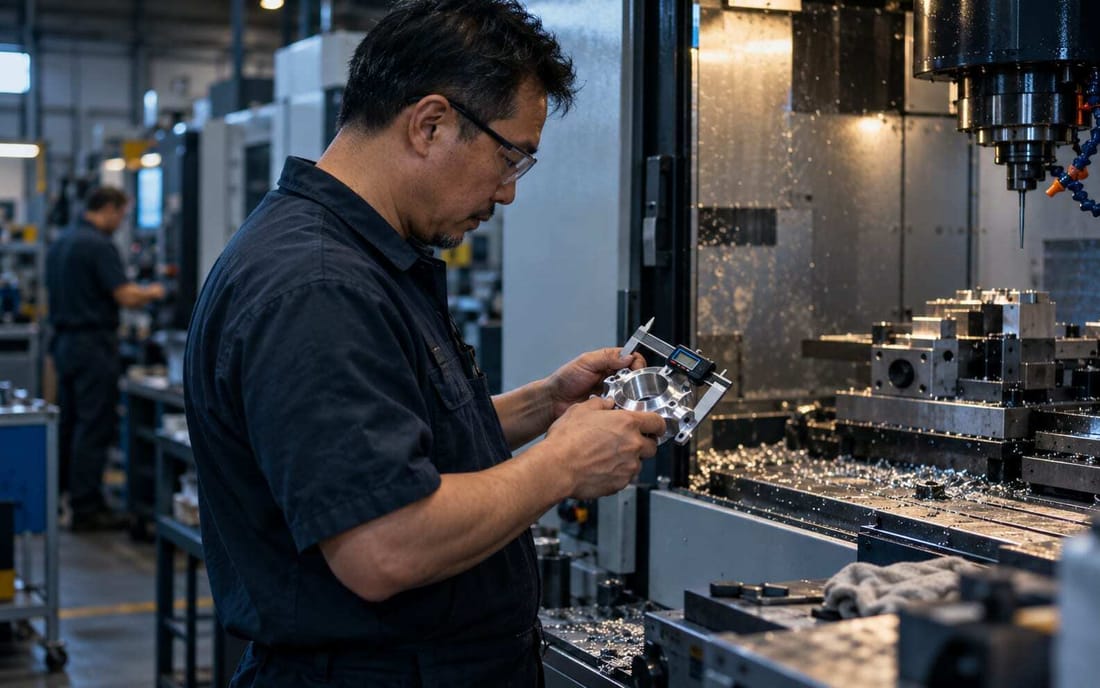
Machinist measuring a part at a CNC machine
Pillar 4 of 7Feeds into Packaging

Manufacturing and Production

How raw materials and labor become the thing you sell.

What we assess

Cycle times, downtime, scrap and rework, and how maintenance gets scheduled.

Leaks we look for

  • Unplanned downtime
  • The same defect reworked again and again
  • Maintenance done from memory

How we plug them

AISpots the patterns behind defects and breakdowns.
AutomationSchedules preventive maintenance before parts fail.
Business intelligenceShows throughput and the real causes of downtime.
Hands packing an order into a box at a packing station
Pillar 5 of 7Feeds into Shipping and Logistics

Packaging

Getting the right product into the right box.

What we assess

Pack time per order, material costs, error rates and damage claims.

Leaks we look for

  • Wrong items in the box
  • Oversized boxes that drive up freight costs

How we plug them

AIChecks each order against what was packed.
AutomationPicks the box size and prints the label.
Business intelligenceTracks errors and damage by line and by shift.
Dispatcher with a tablet walking a line of box trucks at dawn
Pillar 6 of 7Feeds into Customer Service

Shipping and Logistics

Moving product, people and trucks where they need to be.

What we assess

Routes, fleet use, fuel, hours on the clock, vehicle wear and on-time delivery.

Leaks we look for

  • Hours on the job nobody can verify
  • Trucks sitting idle
  • Wear and tear that shows up as a repair bill

How we plug them

AIFlags driving and routing patterns that cost money.
AutomationCaptures time and stops with GPS and geofencing.
Business intelligenceShows cost per job, per truck and per crew.
Customer service rep with a headset helping a customer
Pillar 7 of 7Feeds into Marketing

Customer Service

What happens after the sale, and whether the customer comes back.

What we assess

Response times, why customers reach out, repeat issues and the customers you lose.

Leaks we look for

  • Slow answers to simple questions
  • The same questions answered by hand all day
  • Unhappy customers who leave without a word

How we plug them

AIAgents that answer, triage and resolve requests.
AutomationHands off to the right person and follows up.
Business intelligenceShows why customers call, and feeds it back to marketing.

Client stories

Three leaks we found and plugged

Every engagement starts with discovery. Here is what it turned up for three clients, and the technology we built to plug each leak.

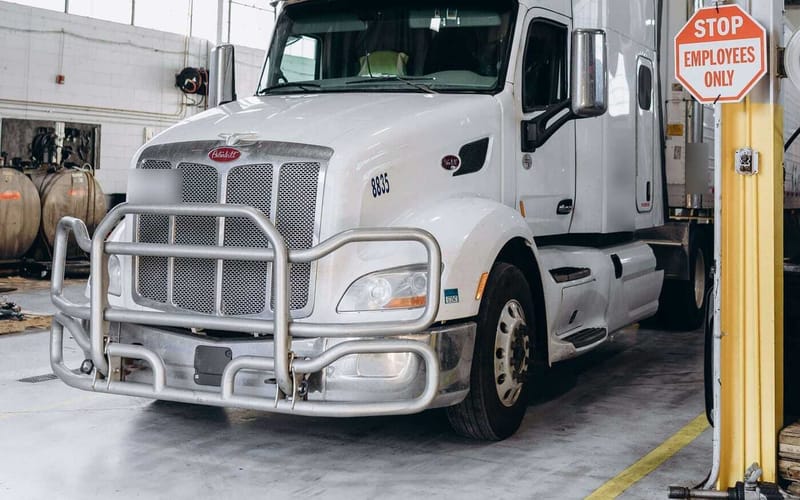
Semi truck parked in a fleet maintenance bay

Shipping and Logistics

A trucking company

The leak

Growth had stalled and nobody could say why.

What discovery found

Discovery pointed to maintenance. Going deeper, we found brake pads wearing out faster than normal, and only on trucks run by a specific set of drivers. The leak was in how those drivers were braking.

How we plugged it

  • We set up a required training program that teaches drivers how to use their brakes in specific situations to reduce wear.
  • We built a platform that tracks brake pad wear levels and notifies management, so wear gets caught early.

Yellowstone Landscape crew maintaining a commercial planting bed

Shipping and Logistics

Yellowstone Landscape logo

Yellowstone Landscape

24 locations across the United States, hundreds of trucks and crews on some of the largest landscaping jobs in the biggest cities in America.

The leak

Managers spent hours tracking how long each employee worked on the trucks and how long each truck was out serving customers.

What discovery found

The time data already existed in where the trucks went. Nobody was capturing it.

How we plugged it

  • We built a system that uses GPS tracking and geofencing to capture all of it.
  • Every time a truck returns to home base, the system calculates the timesheets, breaks included, and prints them for payroll. The manager reviews and signs.
Billing analyst reviewing hotel invoices on two monitors

Customer Service

RipplePoint logo

RipplePoint

Billing management for some of the largest hotel chains in the United States: thousands of hotels owned by private equity firms and holding companies that aren't on the ground managing costs.

The leak

RipplePoint ingests its clients' bills, assesses the cost structure and renegotiates terms. Its analysts could only take on so many customers, so assessments took time.

What discovery found

The slow part was the analysts working through every bill by hand before they could assess anything.

How we plugged it

  • We built an AI solution that ingests the bills, pulls the data, balances and confirms them, decides which bills need to be paid and writes the assessment.
  • The analysts review what the AI produced.

Analysts now handle 50 to 60% more bills and customers.

FAQ

AI automation and business intelligence questions, answered

What is AI process automation?

AI process automation uses artificial intelligence and software to handle work your team does by hand, like reading documents, routing requests and following up. At Grata Intelligence we build it to plug a specific leak we found in your business, with people reviewing the results where it matters.

What is business intelligence?

Business intelligence turns the data already sitting in your systems and spreadsheets into reporting your leadership team can act on. It shows where each part of the business is leaking and whether a fix is working.

What are the pillars of a business?

Nearly every business runs on seven pillars: marketing, sales, inventory management, manufacturing and production, packaging, shipping and logistics, and customer service. They form a loop, because what happens in customer service leads right back to marketing and sales.

What is a leak in a business?

A leak is any spot where time, money or customers slip out of a pillar. Examples from our clients include brake pads wearing out early because of how certain drivers braked, managers spending hours building timesheets by hand, and analysts who could only take on so many customers.

How does your discovery process work?

We assess each pillar with your team and pull the data behind it. We follow the numbers to the leak and keep digging until we reach the root cause. Then we plug it with AI, automation, business intelligence or a mix.

How do you decide between AI, automation and business intelligence?

The leak decides. When people are reading and judging documents, AI can do the first pass. When work moves the same way every time, automation handles it. When nobody can see the problem, business intelligence puts it in front of the right person. Many fixes use more than one.

Do we need clean data before we start?

No. Finding out where your data lives and how reliable it is happens during discovery. Part of plugging a leak is often capturing data nobody was collecting, like the GPS and geofence data we used for Yellowstone Landscape.

Will this replace our employees?

The systems we build take repetitive work off your team so they can review and decide. At RipplePoint, analysts still review every assessment. They now handle 50 to 60% more bills and customers.

What kinds of businesses do you work with?

Any business that runs on these pillars. Our client work includes trucking, commercial landscaping with hundreds of trucks, and billing management for thousands of hotels.

Where is Grata Intelligence based?

Grata Intelligence is based in Orlando, Florida, and works with businesses across the United States. You can reach us at (866) GO-GRATA, or (866) 464-7282.

Don't see your question? Call (866) GO-GRATA.

Book a discovery call

Find out where your business is leaking

Tell us about your business and where it hurts. We'll set up a discovery call and start walking through your pillars with you.

(866) GO-GRATA(866) 464-7282